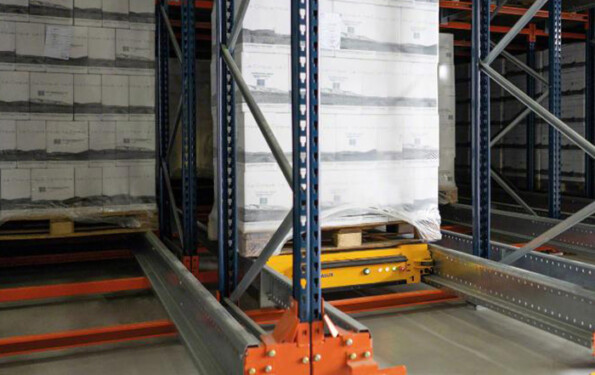
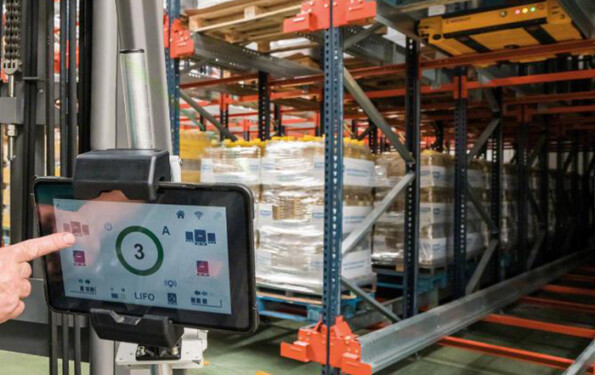
Q) What is the difference between a fully automated warehouse and a semi-automated warehouse?A fully automated warehouse relies on automated systems for most storage, movement and handling activities, with minimal manual intervention. A semi-automated warehouse uses automation in specific areas but still depends heavily on manual processes elsewhere. Fully automated warehouse systems are typically used where throughput, consistency and long-term scalability are critical.
Q) How much does a fully automated warehouse cost?
The cost of a fully automated warehouse varies depending on size, system complexity and throughput requirements. Investment is typically offset by long-term operational savings, improved performance and reduced reliance on labour.
A feasibility-led approach is essential to ensure automation delivers a clear return on investment.
Q) Is a fully automated warehouse suitable for small or growing businesses?
Fully automated warehouse solutions are generally best suited to operations with stable volumes, repeatable processes and clear growth forecasts. Smaller or rapidly changing businesses may benefit more from phased or partial automation.
Q) What technologies are used in a fully automated warehouse system?
A fully automated warehouse system may include AS/RS, conveyors, robotics, sortation systems, warehouse control software and integrated material handling equipment.
Effectiveness depends on how well these technologies are designed and integrated as a single operation.
Q) What are the main benefits of a fully automated warehouse?
Benefits include increased throughput, improved accuracy, reduced manual handling, better space utilisation and scalable performance. The greatest gains are achieved when automation is aligned with operational outcomes.
Q) What are the risks of fully automated warehouse projects?
Risks include poor integration, lack of adoption, underestimating complexity and misalignment with demand. These risks can be reduced through careful planning, phased delivery and clear end-to-end accountability.
Q) How long does it take to implement a fully automated warehouse?
Timelines vary based on scope and complexity. Most projects include design, integration, installation, commissioning and operational ramp-up phases.
Planning for long-term operation helps ensure a smooth transition.
Q) How do I know if full automation is right for my warehouse?
Full automation works best where volumes are consistent, processes are repeatable and long-term growth is planned. A structured assessment helps determine whether full automation or an alternative approach is the right strategic choice.
 Consult
  Design
  Supply
  Install